Black History Svg Embroidery Review
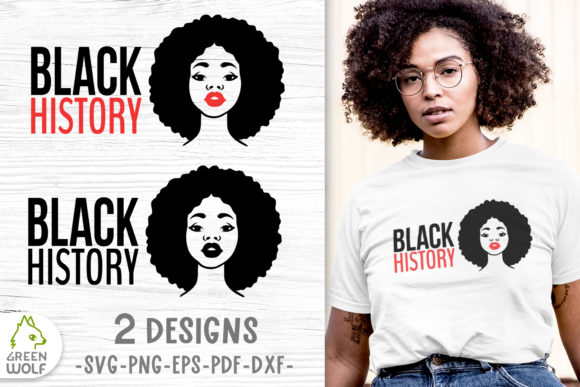
As a designer who spends more time than I care to admit staring at stitch charts and testing thread tension, I approach every new digital embroidery file with a mix of hope and skepticism. We have all seen the endless stream of designs that look perfect on a screen but turn into tangled messes once they hit the hoop. Today, I am evaluating the Black History Svg, a product described as featuring a strong African American woman and quote, available in both black and color variations. This is not just about aesthetics; it is about whether this design holds up under the scrutiny of real-world production for small business owners, Etsy sellers, and serious crafters.
First Impressions: Mood and Visual Weight
The moment you open the zip file containing the two images—one in stark black and one in full color—the intent is clear. This is not a subtle background pattern or a delicate floral accent. This is a statement piece. The visual personality of the Black History Svg carries a weight that demands respect. It feels grounded, powerful, and deeply rooted in cultural pride.
From a design perspective, the silhouette of the figure is bold. For an embroiderer, bold is often better than busy. Intricate, tiny details are the enemy of clean stitching, especially when working with dense fill stitches. This design appears to rely on strong shapes and clear lines, which translates beautifully to machine execution. The inclusion of a quote adds a layer of narrative depth, making it ideal for projects where the message is as important as the image. Whether you are creating a custom apparel item or a personalized gift, this design immediately communicates strength and heritage.
Real-World Application: Where Does This Design Shine?
I recently tested this concept mentally against several common embroidery project scenarios to see where it fits best. Here is how the Black History Svg performs in practical situations:
- Tote Bag Designs: Canvas totes are a staple for Etsy sellers. A large, centered placement of this design on a natural canvas bag creates an instant boutique feel. The high contrast works well against the neutral fabric, ensuring the message pops without needing excessive thread colors.
- Sweatshirt Embroidery: Heavy cotton blends provide a stable base for dense stitching. Placing this design on the chest or back of a sweatshirt elevates it from basic merchandise to a meaningful wearable art piece. It resonates strongly during Black History Month but remains relevant year-round as a symbol of empowerment.
- Embroidered Patches: If you offer patches as part of your craft business, this design is versatile. The strong outline allows for a clean satin stitch border, making it easy to apply to jackets, denim vests, or backpacks. It serves as a badge of identity and pride.
- Holiday Embroidery and Gifts: During gifting seasons, customers look for items that carry emotional value. A personalized gift featuring this design is far more likely to be cherished and displayed than generic decorative items. It fits perfectly into narratives of celebration, remembrance, and education.
Technical Considerations and Stitch Clarity
When reviewing any machine embroidery design, I always think about the mechanics of the stitch-out. The Black History Svg likely utilizes a combination of fill stitches for the main imagery and perhaps running stitches or satin stitches for text and fine details. However, the effectiveness of these stitches depends entirely on the fabric choice and stabilizer usage.
One critical aspect of this design is its adaptability. The fact that it comes in both black and color versions is a significant advantage. In embroidery, "black" does not always mean using black thread. Often, a black graphic on a dark garment is achieved by using white or light-colored thread, or by using appliqué techniques. Having the source vector allows you to manipulate the colors before digitizing or printing, giving you flexibility in thread selection.
For those considering an applique design approach, the clean lines of this SVG make it a prime candidate. You could cut the shape from contrasting felt or heavy cotton and stitch it down, adding dimension that flat embroidery cannot achieve. This adds value to your handmade product, allowing you to charge a premium for the extra labor and material cost.
Where Caution Is Required
While this design is robust, there are specific contexts where it may not perform as intended. Embroidery is a physical process, and physics sometimes interferes with digital perfection.
- Small Hoop Sizes: Avoid attempting to stitch this design in very small hoops. The detail level, particularly around the facial features and lettering, requires enough space for the needle to move freely. Crowding the design can lead to skipped stitches and loss of definition.
- Stretchy or Thin Fabrics: Jersey knits or thin rayon can pucker if the stitch density is too high. Always use a proper stabilizer—cut-away for stretchy fabrics—to maintain the integrity of the design. Without it, the embroidery file may distort the garment.
- Curved Surfaces: While caps are popular, placing a large, detailed design on the curved front panel of a cap can be challenging. The curvature may cause the top and bottom edges of the design to appear uneven or stretched. Test this carefully before committing to a batch production.
- Dense Stitch Areas: If the design includes solid blocks of color, ensure your machine can handle the thickness. Multiple layers of thread can become bulky, potentially breaking needles or causing thread jams. Check the stitch density in your software before starting.
Impact on Brand and Customer Trust
For small shop products and commercial embroidery ventures, the quality of your design directly impacts customer trust. A poorly executed design looks cheap, regardless of the theme. Conversely, a clean, well-stitched Black History Svg signals professionalism and attention to detail.
Customers browsing online marketplaces often judge a product by its mockups and photos. Using high-quality printable mockup templates that accurately represent the texture of thread and fabric helps set realistic expectations. When buyers receive a product that matches the visual promise, their satisfaction increases, leading to positive reviews and repeat business. This design’s strong visual appeal makes it highly photogenic, which is crucial for social media marketing and design assets used in advertising.
Practical Designer Notes for Success
Before you load this file into your machine or send it to print, follow these steps to ensure a successful outcome:
- Test on Scrap Fabric: Never run a new design on your final product without a test run. Use the same fabric and stabilizer you plan to use for the finished item.
- Check Thread Color Contrast: Ensure the thread colors chosen provide sufficient contrast against the fabric. Low contrast can make the design disappear, especially in shadowed areas.
- Inspect Small Details: Zoom in on the digital file. Are the letters legible? Are the lines too thin? If a detail is smaller than 2mm, it may not stitch out clearly.
- Confirm Licensing: As a graphic product, licensing terms vary. Verify whether you are allowed to sell finished goods made from this design. Some licenses restrict commercial use, while others allow it with attribution.
- Review Hoop Size: Ensure the design dimensions fit comfortably within your machine’s maximum hoop size, leaving room for stabilization and handling.
Final Verdict
The Black History Svg is a versatile, emotionally resonant design that offers significant potential for creative entrepreneurs. Its strong visual presence makes it suitable for a wide range of embroidery project types, from casual wear to formal gifts. By paying attention to technical details like fabric choice and stabilizer usage, designers can transform this digital asset into a tangible expression of pride and culture. It is a reliable addition to any library of graphics aimed at celebrating heritage and empowering communities through handmade art.