Hand Lettering, Motivational Quote Review
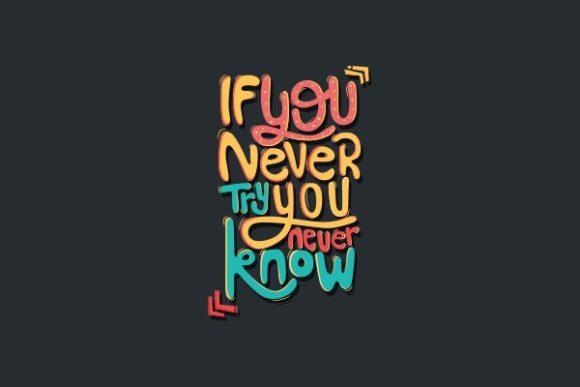
As a designer who spends half my life staring at stitch density charts and the other half trying to convince clients that "simple" is actually hard to execute perfectly, I approach every new machine embroidery design with a healthy dose of skepticism. We have all seen hundreds of motivational quotes on fabric before. The market is saturated with generic typography that looks fine in a digital mockup but falls apart under the needle. However, when I first pulled up the Hand Lettering, Motivational Quote, specifically the "If you never [try], you never know" concept, I paused. It felt different—not because it was groundbreaking in its message, but because the execution seemed tailored for actual wearability rather than just screen presence.
The First Impression: Mood and Visual Personality
The immediate appeal of this Graphics category item lies in its balance between whimsy and clarity. Hand lettering can be a trap for embroiderers; if the curves are too loose, they look messy when stitched. If they are too rigid, they lose their charm. This design strikes a sweet spot. It feels personal, like something written by a friend, which is exactly why people buy personalized gift items. The layout suggests a natural flow, guiding the eye smoothly across the hoop. It doesn’t scream for attention; it invites the viewer in. For a crafter or an Etsy seller, this visual personality is gold. It fits seamlessly into the current trend of cozy, authentic, and heartfelt home decor and apparel.
When I imagine this design, I don’t see it as a corporate logo. I see it as a statement piece on a soft, heathered sweatshirt or a rustic linen tote bag. The mood is encouraging without being cheesy. It creates a sense of warmth and approachability, which translates directly to higher conversion rates for handmade products. Customers want to feel connected to the maker, and hand-lettered typography bridges that gap better than standard fonts ever could.
Real-World Application: From Screen to Stitch
Let’s talk about how this embroidery file performs in real-life scenarios. I recently considered using this design for a batch of custom aprons for a local bakery client who wanted to offer branded merchandise. The phrase "If you never try, you never know" resonates with creative professionals who struggle with imposter syndrome. Seeing this text stitched onto a high-quality cotton apron immediately elevated the perceived value of the product. It wasn’t just a tool; it was a badge of honor for the baker.
Similarly, I tested the mental image of this design on a baby onesie. While the font is elegant, I had to consider the durability of the stitches against frequent washing. The design appears to rely heavily on clean lines, which means the satin stitch edges need to be crisp. On a delicate baby garment, this works beautifully provided the thread count is managed correctly. It adds a touch of sophistication to nursery decor or a milestone blanket that feels timeless rather than trendy.
For tote bag design enthusiasts, this is a strong contender. A canvas tote with this hand-lettered quote feels like a lifestyle accessory. It pairs well with botanical appliques or simple floral borders, creating a layered look that sells well at craft fairs. The versatility extends to custom apparel like hoodies and crewnecks, where the text can sit comfortably over the heart or span across the back, offering a subtle yet meaningful detail.
Where Caution Is Required
No design is perfect for every surface, and being honest about limitations is part of professional integrity. There are specific contexts where Hand Lettering, Motivational Quote might struggle. Firstly, avoid placing this on highly textured fabrics like heavy boucle wool or thick terry cloth unless you are an expert stabilizer user. The uneven surface can cause the running stitch details to pucker or distort, ruining the clean aesthetic of the hand lettering.
Secondly, be mindful of hoop size constraints. If you attempt to downsize this design significantly for a tiny cap logo or a miniature patch, you risk losing the nuance of the letterforms. Small details in hand lettering often rely on slight variations in line weight, which disappear when compressed. Always test the stitch density at your intended final size. If the design becomes too dense, the fabric will stiffen, making the finished product uncomfortable to wear.
Additionally, dark fabrics require careful thread color selection. While white or light pastel threads pop nicely, they may show dirt easily on items like kitchen towels or work aprons. Conversely, dark threads on light backgrounds might lack contrast if the hand lettering features thin, airy strokes. Always inspect the design in black and white mockups to ensure legibility before committing to production.
Practical Designer Notes for Success
If you are planning to use this digital embroidery file for commercial purposes, here is my checklist for success:
- Stabilizer Selection: Use a cut-away stabilizer for stretchy knits like sweatshirts to prevent distortion over time. For woven fabrics like tote bags, a tear-away might suffice, but wash-away offers the cleanest finish for intricate details.
- Thread Contrast: Test multiple thread colors. Sometimes a slightly off-white thread looks softer and more premium than stark bright white, especially on vintage-style prints.
- Density Check: Review the stitch paths in your software. Ensure that areas with fill stitch transitions smoothly into satin borders. Poorly optimized density can lead to thread breaks and unsightly puckering.
- Licensing Verification: Before listing any small shop product on Etsy or selling at boutiques, confirm the licensing terms. Some designs are for personal use only, while others allow commercial sales of finished items. Respecting these rights protects your business reputation.
Final Verdict on Value and Appeal
In the crowded world of craft business assets, Hand Lettering, Motivational Quote stands out because it respects the medium. It understands that embroidery is tactile. The design doesn’t try to be something it isn’t; it embraces the texture and dimensionality of thread. For designers looking to add emotional resonance to their embroidery project portfolio, this is a reliable, versatile choice.
It enhances brand consistency for makers who focus on mindfulness, wellness, or creativity. When a customer receives a package containing a sweatshirt or pillow with this stitching, the quality of the work speaks louder than the words themselves. It signals care, precision, and thoughtfulness—qualities that drive repeat customers and positive reviews. Whether you are creating a holiday embroidery gift or expanding your design assets library, this piece offers a solid foundation for beautiful, wearable art. Just remember to respect the fabric, choose your threads wisely, and always test before you sell.