In Time of Test Family Quote Embroidery Design Review
When I scout for new digital assets to add to my workflow, I am rarely looking for just another decorative element. As a designer who regularly produces custom apparel and personalized gifts for clients, I need embroidery files that translate cleanly from screen to fabric, hold up under the scrutiny of end-users, and carry an emotional weight that encourages purchase. Today, I am evaluating the Family Quote Design, in Time of Test, Fa, a file listed under Crafts and Graphics that promises to deliver sentiment through stitch. This review breaks down how this design performs in real-world application, its suitability for commercial use, and where it shines—or struggles—during the digitizing and stitching process.
First Impressions and Visual Personality
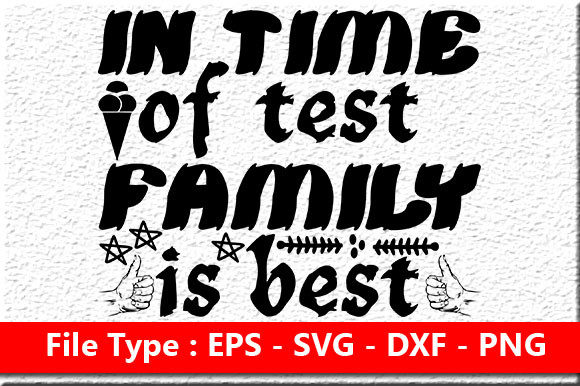
The title alone sets a specific tone: resilience, unity, and support. In the crowded market of handmade goods, designs that speak to shared human experiences tend to perform better than purely aesthetic motifs. The Family Quote Design, in Time of Test, Fa leverages this by focusing on the phrase "In time of test, family is best." Visually, this suggests a layout that prioritizes legibility and balance over excessive flourish. For an embroidery project, this is a crucial distinction. Complex, overly ornate scripts can become muddy when stitched, especially on textured fabrics or smaller items like baby clothes or caps.
My initial assessment of the file structure indicates it includes EPS, SVG, PNG, and DXF formats. This versatility is a strong point for a digital embroidery file. It allows me to use the vector versions for cutting machines if I am creating applique projects, while the raster images serve well for printable mockups to preview the final product before committing thread to fabric. The inclusion of these varied formats makes it a robust asset for any craft business owner who needs to adapt their designs across different production methods.
Real-World Application: From Screen to Stitch
To truly judge an embroidery design, you have to imagine it on the finished product. I visualized the Family Quote Design, in Time of Test, Fa being applied to several common merchandise categories to see where it fits best.
- Custom Apparel and Sweatshirts: This design excels on sweatshirts and hoodies. The message resonates deeply with parents and grandparents, making it a perfect candidate for holiday gifts or milestone celebrations. On a soft cotton blend, the satin stitch outlines (if present in the digitization) will pop against the fleece texture, providing a premium feel that customers appreciate.
- Tote Bags and Canvas Items: A tote bag design featuring this quote adds a layer of sophistication to everyday carry items. Because canvas is sturdy, it can handle moderate stitch density without puckering. This makes the design ideal for Etsy sellers looking to create functional yet sentimental accessories for new mothers or caregivers.
- Baby and Nursery Decor: When scaled down appropriately, this quote works beautifully on burp cloths, swaddle blankets, or nursery wall hangings. The theme of family support aligns perfectly with the emotional investment parents make in baby gear. However, care must be taken to ensure the lettering remains large enough to be readable on small garments.
- Kitchen and Home Textiles: Tea towels and aprons are often overlooked niches, but they offer high visibility. A personalized gift featuring this quote on a kitchen towel serves as a constant reminder of family bonds during daily routines. The durability of the embroidery here is key, as these items undergo frequent washing.
Technical Considerations and Potential Pitfalls
No design is without its challenges, and understanding where Family Quote Design, in Time of Test, Fa might struggle is just as important as knowing where it succeeds. Embroidery is a subtractive and additive process that interacts physically with fabric, so technical precision matters.
One area requiring careful attention is hoop size and placement. If the design contains intricate details or small lettering, attempting to stitch it on a curved surface like a baseball cap or a tight sleeve cuff could result in distortion. Curved surfaces require specialized hoops and often a reduction in design scale to maintain clarity. I recommend testing the design on scrap fabric first to check how the fill stitch areas interact with the grain of the material.
Fabric choice is another critical variable. While this design looks stunning on stable wovens like cotton or denim, it may not perform well on highly stretchy knits without proper stabilization. Stretchy fabrics can cause the stitches to pucker or shift, ruining the clean lines of the text. Similarly, on dark fabrics, thread color contrast becomes paramount. If the digitized version uses light threads on a dark background, ensure there is sufficient underlay to prevent the fabric from showing through the stitches. Conversely, using dark threads on black fabric requires a contrasting topstitch or outline to define the shapes.
Another consideration is the stitch density. High-density areas can make a garment stiff and uncomfortable, particularly for baby items or lightweight shirts. If the design includes large blocks of solid fill, consider adding negative space or switching to a lighter stitch pattern to improve drape and comfort. For commercial embroidery projects where customer satisfaction is tied to wearability, this adjustment can be the difference between a five-star review and a return.
Stabilizer and Thread Selection
Proper preparation is half the battle. Always use the appropriate stabilizer for your fabric type. Cut-away stabilizers are generally recommended for woven garments and home decor items to provide long-term support, especially for designs that will be washed frequently. Tear-away stabilizers may suffice for temporary projects or non-washable items, but they risk leaving residue or tearing delicate fibers.
Thread selection also impacts the final look. Polyester threads are durable and vibrant, making them a safe bet for most applications. However, for a more rustic or vintage aesthetic, cotton-blend threads might be preferred, though they require lower machine speeds to prevent breakage. Experimenting with thread colors can also transform the mood of the piece; for instance, using muted pastels can soften the message for a nursery, while bold primary colors can make it stand out on a child’s backpack.
Commercial Viability and Brand Consistency
For small shop owners and creative entrepreneurs, the value of a design extends beyond its aesthetics. Does it fit into a cohesive brand story? The Family Quote Design, in Time of Test, Fa has a universal appeal that transcends seasonal trends. While holiday-themed designs peak during Q4, a quote about family resilience remains relevant year-round. This longevity increases the potential ROI for your inventory.
Furthermore, the availability of vector files (EPS/SVG) allows for easy integration into broader design systems. You can combine this quote with complementary graphics—such as simple icons of hands, hearts, or trees—to create unique product variations. This flexibility is essential for design assets meant to support a diverse catalog. It also aids in creating printable mockups for online listings, allowing you to showcase the design on multiple products without photographing each physical item.
Final Verdict
The Family Quote Design, in Time of Test, Fa is a thoughtful, versatile addition to any embroidery library. Its strength lies in its emotional resonance and adaptability across various media, from apparel to home decor. By paying close attention to technical details like hoop size, fabric stability, and stitch density, designers can ensure that the final product meets professional standards.
I recommend this design for those seeking to create meaningful, lasting gifts for their customers. Whether used for a custom apparel order, a boutique collection, or a heartfelt personal project, this file offers the structural integrity and thematic depth needed to succeed in today’s handmade market. Just remember to test thoroughly, choose your materials wisely, and always confirm licensing terms before selling finished items. When executed correctly, this design has the potential to become a staple in your repertoire, connecting with customers on a deeper level through the art of embroidery.