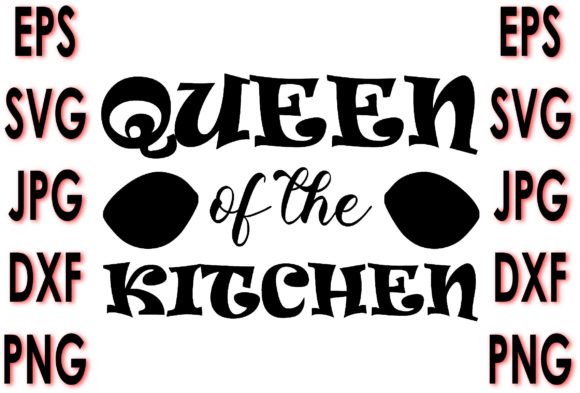
Potholder Quote Design, Queen of the Kit
When I review an embroidery file, I am rarely looking for just a pretty picture. I am looking for viability. As a designer who has stitched thousands of designs for clients, craft fairs, and boutique shops, I know that a design’s aesthetic appeal means nothing if it fails during production or looks cheap on the finished product. Recently, I evaluated Potholder Quote Design, Queen of the Kit to determine its potential for real-world application. This digital asset, available in multiple formats including EPS, SVG, PNG, and DXF, presents an interesting case study in how text-based graphic files translate into physical embroidery projects.
First Impressions and Visual Personality
The title alone sets a specific tone: confident, domestic, and slightly humorous. In the world of handmade goods, humor sells. It creates an emotional connection between the maker and the buyer. Visually, this design leans heavily into typography. For an embroiderer, text is always the most dangerous element. A slight misalignment or a font choice with poor legibility can ruin an otherwise perfect stitch job. My initial assessment suggests that Potholder Quote Design, Queen of the Kit is built for impact rather than subtlety. It screams "statement piece."
The layout feels bold, likely relying on strong letterforms to carry the weight of the message. This makes it ideal for items where the design needs to be read instantly from a distance, such as a tote bag carried at a market or a sweatshirt worn at a gathering. However, because the source files include vector formats like EPS and SVG, we must consider that these are primarily cut-machine assets. If you intend to use this as a machine embroidery design, you will need to digitize it yourself or ensure the provided files are compatible with your embroidery software. The inclusion of PNG and DXF files further confirms its versatility as a digital clip art resource, suitable for scrapbooking or vinyl cutting, which expands its utility beyond just the sewing room.
Real-World Application: From Screen to Stitch
Let us imagine a practical scenario. You are preparing inventory for an upcoming holiday craft fair. You want to offer personalized gifts that resonate with home cooks and kitchen enthusiasts. Potholder Quote Design, Queen of the Kit fits this niche perfectly. But where does it go? While the name suggests a potholder, limiting it to that single item ignores its broader potential.
I see this design thriving on custom apparel. Imagine it centered on the chest of a high-quality cotton apron or embroidered on the pocket of a denim overall. The contrast of a bold quote against textured fabric adds depth. It also works exceptionally well on tote bags, serving as both a functional accessory and a branding tool for small businesses. For Etsy sellers, this design could anchor a listing for "Kitchen Manager" themed gifts, appealing to bridesmaids, mothers, or anyone celebrating a new home.
The design’s versatility extends to baby items as well. While the quote might be cheeky for an infant, placing it on a nursery pillow cover or a blanket for a "kitchen helper" toddler could be a hit. The key here is context. When used in commercial embroidery projects, the design must feel intentional. It should not look like an afterthought but rather the focal point of the garment. For digital product sellers, creating printable mockups featuring this design allows customers to visualize the final product before purchasing, increasing conversion rates by reducing uncertainty.
Technical Considerations and Pitfalls
Not every surface is created equal, and Potholder Quote Design, Queen of the Kit requires careful consideration regarding where it is applied. Text-based designs are particularly sensitive to fabric texture. Applying this to a highly textured fabric, such as a chunky knit sweater or a rough burlap sack, will obscure the details of the letters. The stitching may become muddy, and the message will be lost. Similarly, stretchy fabrics like jersey knits require proper stabilization to prevent distortion. Without a stabilizer, the hoop marks and tension changes can warp the text, making it look amateurish.
Small hoop sizes present another challenge. If the design is scaled down too much to fit a tiny patch or a baby hat, the integrity of the letters may suffer. Tiny lettering is notoriously difficult to execute cleanly in embroidery. Threads can bleed into each other, and fine lines may disappear entirely. Therefore, I advise testing the design in black and white mockups first. This helps you evaluate the balance and spacing without the distraction of color. It also forces you to focus on the structural clarity of the design.
Furthermore, consider the end-use of the product. Items that require frequent washing, such as kitchen towels or dishcloths, undergo significant stress. Dense stitch areas can hold more water and take longer to dry, while loose threads may snag. If you plan to sell these as handmade products, you must ensure the stitching density is appropriate for durability. Check whether the design works for both personal and commercial projects, and confirm licensing terms before selling finished items. Using a design intended only for personal use in a commercial venture can lead to legal issues.
Stitch Quality and Thread Selection
The visual appeal of any embroidery project relies heavily on thread colors. With a quote design, contrast is king. A light thread on a dark fabric or vice versa ensures readability. I recommend experimenting with metallic or variegated threads sparingly, as they can add flair but may distract from the text. Satin stitch is often used for outlines and borders, providing a clean edge, while fill stitches can add background texture if the design includes decorative elements. Running stitch might be used for finer details, adding a handcrafted feel. Always inspect small details closely; what looks good on screen may not translate well to thread.
Final Verdict for Crafters and Sellers
Potholder Quote Design, Queen of the Kit is a versatile digital asset with strong commercial potential. Its strength lies in its clear, bold messaging, which resonates well with buyers looking for personalized gifts and statement pieces. However, success depends on execution. Whether you are an Etsy seller, a small shop owner, or a hobbyist maker, the key is to respect the technical limitations of embroidery.
To maximize the value of this design, test it thoroughly on scrap fabric before committing to expensive materials. Check thread color contrast under different lighting conditions. Review stitch density to ensure durability. Confirm hoop size compatibility with your intended products. By doing so, you protect your brand reputation and ensure customer satisfaction. This design is not just a graphic; it is a foundation for a profitable line of handmade products, provided it is treated with the professional care it deserves. For those dealing in design assets, this file offers a solid starting point for creating engaging embroidery projects that stand out in a crowded marketplace.