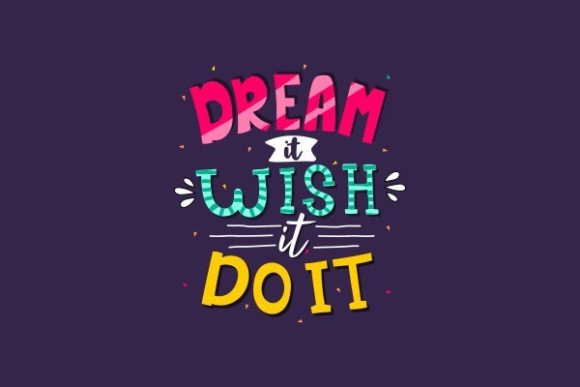
Dream It Wish It Do It - Quote Lettering
As a designer who spends half my life staring at stitch charts and the other half troubleshooting tension issues on the sewing machine, I have learned to be skeptical of every new download. We all know the drill: you buy a cute design, pop it into your hoop, and hope for the best. Sometimes it looks magical; other times, it looks like a tangled mess that no customer would ever pay full price for. That is why I take a critical eye to Dream It Wish It Do It - Quote Lettering. This isn't just about aesthetics; it is about whether this piece holds up when it transitions from a digital file to a physical, wearable, or displayable reality.
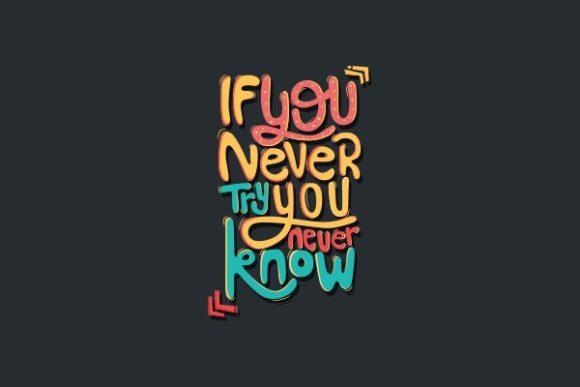
The first thing that strikes me about this quote lettering design is its mood. It is undeniably inspirational, but in a grounded way. It does not scream for attention with overly complex flourishes or aggressive boldness. Instead, it feels steady and encouraging. For an embroidery project, this is crucial. Hand lettering can easily become illegible if the curves are too tight or the spacing is off. Visually, this design seems to strike a balance between casual script and structured print, which suggests it will translate well across different fabric textures and garment types.
Real-World Application: From Screen to Stitch
I often think about where this design would actually live in a small business owner’s inventory. Let’s look at a specific scenario: preparing a batch of custom embroidered tote bags for a local craft fair. Tote bags are a staple for any Etsy seller or craft business because they are high-margin and highly visible. However, they also present challenges. The canvas is thick, and the surface is uneven. If the Dream It Wish It Do It - Quote Lettering design relies on tiny, delicate details, it might get lost in the weave of the bag. But if it features solid shapes and clear letterforms, it becomes a powerful branding tool.
This design feels particularly suited for that kind of application. The layout appears spacious enough to allow for a decent amount of negative space, which helps the eye read the message quickly. When a customer picks up a tote bag at a market, they need to understand the sentiment in under three seconds. This quote achieves that. It works equally well as a standalone graphic on a sweatshirt embroidery project or as a decorative element on a kitchen towel. The versatility here is significant. It bridges the gap between personal use—like a gift for a friend starting a new job—and commercial utility, such as merchandise for a boutique brand.
Another strong use case is baby items. Personalized gifts for nurseries are a huge market. A soft onesie or a muslin blanket featuring this gentle, motivational phrase can feel very special to new parents. The key here is thread color contrast. On light fabrics, the design will likely pop beautifully, especially if paired with a neutral or pastel thread palette. On darker fabrics, however, you would need to be strategic with your stabilizer and possibly add a cut-away backing to prevent the dense areas from puckering the delicate baby fabric.
Technical Considerations for Embroidery Designers
Before committing this file to production, there are practical steps any experienced maker should take. First, always test the design on scrap fabric. This is non-negotiable. You need to see how the satin stitch handles the edges of the letters. Are they clean, or do they look fuzzy? Fuzzy edges can make a finished product look cheap, regardless of how beautiful the original graphic was. Check the stitch density carefully. If the fill stitch is too heavy, it might overwhelm the fabric, especially on stretchy materials like jersey knits used for t-shirts. In those cases, a lighter touch or a different stabilizer choice is essential.
Hooping strategy is another critical factor. If you are placing this on a cap or a curved surface, the distortion of the fabric can warp the lettering. Make sure the design’s aspect ratio allows for some flexibility without losing readability. Also, inspect the smaller details. If the design includes thin connecting lines between letters, ensure they are thick enough to withstand the friction of the embroidery machine needle. Running stitch areas should be checked for potential breakage, particularly if you plan to wash the finished product frequently.
Color selection plays a massive role in visual appeal. While the design itself is monochromatic in its digital form, your thread choices will define its personality. For a professional look, consider using tonal threads—where the thread is slightly lighter or darker than the fabric—to create a subtle, sophisticated effect. For a bolder statement, high-contrast colors will make the quote stand out, making it ideal for promotional items or hats. Always view your mockups in black and white to check the value distribution. If the design loses its impact without color, it may lack sufficient contrast in certain thread combinations.
Where Caution Is Required
While this design has many strengths, it is not a one-size-fits-all solution. Be cautious when using it on textured fabrics like terry cloth or heavily woven linens unless you are prepared for the design to merge with the texture. In such cases, the fine details might disappear. Similarly, avoid using this on very small hoop sizes if the design contains intricate corners or tiny serifs. These elements are prone to thread breaks or misalignment during stitching.
For products that require frequent washing, such as aprons or dish towels, ensure that the design is anchored properly. Dense stitch areas can loosen over time if not stabilized correctly. Using a proper tear-away or cut-away stabilizer depending on the fabric weight is vital to maintaining the integrity of the embroidery. Additionally, if you are selling these items commercially, double-check the licensing terms. Just because you bought the file does not automatically grant you the right to sell unlimited quantities of the finished product. Confirm whether this is a personal-use license or if it extends to commercial embroidery projects.
Final Verdict on Visual and Commercial Value
Ultimately, Dream It Wish It Do It - Quote Lettering offers a solid foundation for a variety of handmade products. Its strength lies in its clarity and emotional resonance. It does not try to be something it is not; it is a straightforward, uplifting message that fits naturally into the lifestyle-oriented niche of modern crafting. For the creative entrepreneur, this means it has broad appeal. It works for holiday embroidery collections, wedding gifts, and everyday wearables alike.
The design assets provided seem thoughtfully constructed for ease of use, allowing designers to focus on presentation rather than fixing technical errors. Whether you are creating a printable mockup for an online listing or physically stitching a patch for a denim jacket, this file provides a reliable base. It enhances the perceived value of a handmade product by adding a layer of thoughtful design that customers can connect with emotionally.
In summary, this is a versatile addition to any library of graphics and crafts resources. It performs well in real-life scenarios, from simple tote bags to more complex apparel decorations. By paying attention to stitch density, fabric choice, and proper stabilization, you can transform this digital file into a professional, durable, and beautiful finished product. It is a smart choice for anyone looking to expand their catalog with meaningful, marketable designs that encourage action and positivity.